Table of Contents
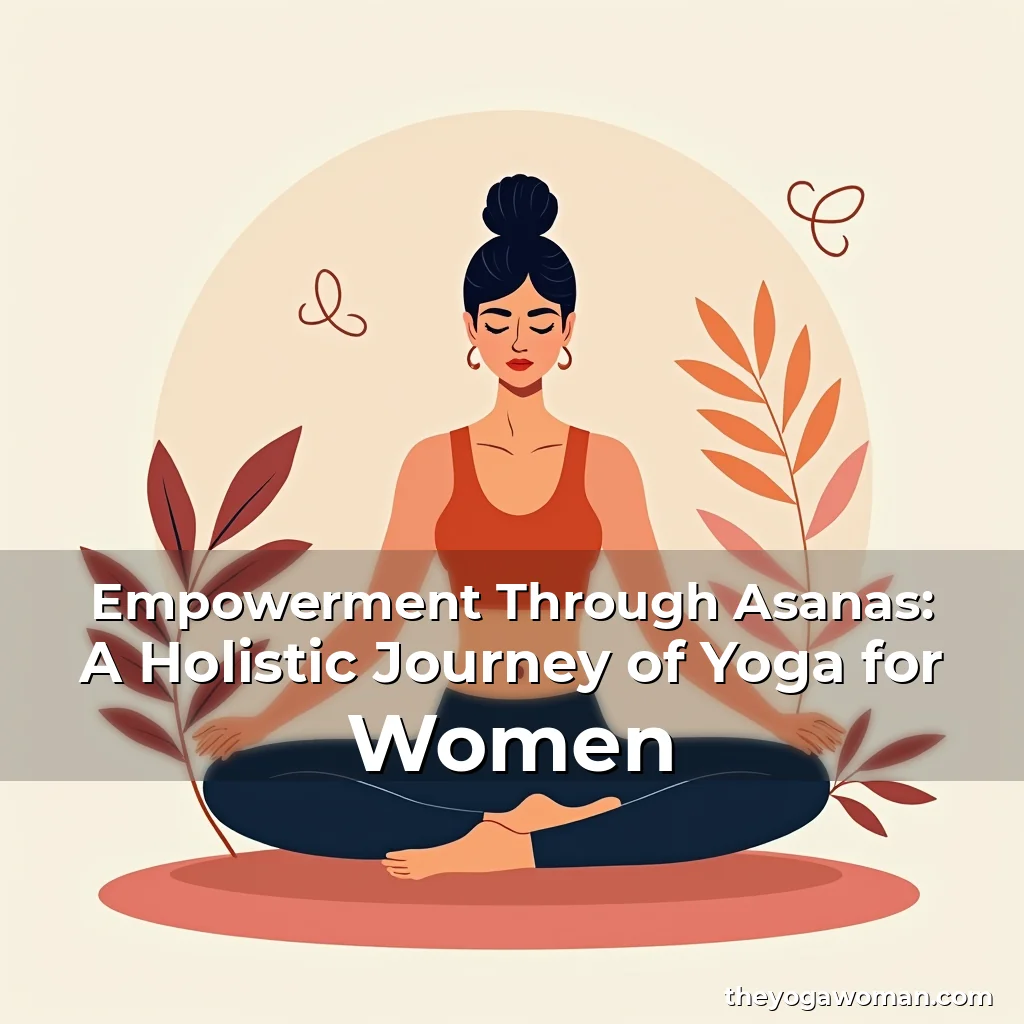
Empowerment Through Asanas: A Holistic Journey of Yoga for Women
In recent years, yoga has transcended its origins as a spiritual practice to become a cornerstone of modern wellness culture. For women, who often juggle multifaceted roles in personal and professional spheres, yoga offers a sanctuary—a space to reconnect with oneself while nurturing mind-body harmony.
This guide explores how yoga uniquely supports women’s journeys through life stages, empowering them physically, emotionally, and spiritually. From prenatal care to post-menopausal vitality, the adaptability of yoga makes it an enduring companion for female practitioners worldwide.
The Transformative Power of Yoga for Women’s Bodies
Absolutely essential for women seeking holistic health, yoga gently reshapes the body through mindful movement. Unlike high-intensity workouts, yoga fosters gradual transformation that respects individual rhythms and limitations.
Regular practice improves core strength, enhances posture, and increases overall flexibility. These benefits manifest in everyday activities—from carrying groceries to maintaining balance during pregnancy—to reduce strain and prevent injuries.
- Flexibility Gains: Consistent stretching routines increase range of motion in joints and muscles, reducing stiffness associated with sedentary lifestyles.
- Pain Management: Specific poses alleviate chronic discomfort such as lower back pain and sciatica commonly experienced by women due to hormonal fluctuations and daily demands.
Mental Clarity and Emotional Resilience Through Yoga Practice
Beyond physical gains, yoga cultivates profound mental clarity that empowers women to navigate challenges with grace. This aspect becomes particularly crucial during transitional phases like career changes, parenthood, or midlife shifts.
Research indicates that regular mindfulness-based yoga reduces cortisol levels by up to 30%, significantly lowering symptoms of anxiety and depression. This scientific validation reinforces yoga’s role as effective self-care tool for busy modern women.
The Science Behind Stress Reduction
A 2023 study published in the Journal of Clinical Psychology found that participants practicing yoga three times weekly reported a 42% decrease in perceived stress levels over eight weeks. This data aligns with traditional yogic teachings emphasizing breath control and present-moment awareness.
The physiological mechanism involves activation of the parasympathetic nervous system through deep breathing techniques. This response triggers relaxation pathways that counteract the fight-or-flight reaction common in chronically stressed individuals.
Hormonal Harmony Through Yogic Practices
Women’s bodies undergo complex hormonal symphonies throughout life cycles, from menstruation to menopause. Strategic yoga practices can help regulate these natural processes when integrated into daily routines.
Vinyasa flows and restorative poses influence hormone production by modulating the hypothalamic-pituitary-adrenal axis—the central command center controlling stress responses and reproductive functions.
- Menstrual Cycle Support: Gentle twists and forward bends stimulate blood flow to pelvic organs, easing cramps and regulating irregular periods.
- Perimenopause Relief: Yin yoga sessions targeting adrenal glands may mitigate hot flashes and insomnia caused by fluctuating estrogen levels.
Cultivating Core Strength Without Gym Culture
Many women feel intimidated by gym environments dominated by weightlifting equipment. Yoga provides an inclusive alternative that builds functional strength through bodyweight exercises and controlled movements.
Different styles offer varied intensity levels: Hatha yoga develops foundational strength, while power yoga delivers cardiovascular benefits comparable to moderate aerobic exercise. Both approaches respect individual fitness capacities.
Postpartum Recovery Through Yoga
New mothers face significant physical transformations requiring careful rehabilitation. Postnatal yoga programs designed by certified instructors safely rebuild core stability and pelvic floor function within six months post-delivery.
Studies show that consistent participation in postpartum yoga groups improves mood regulation and social connectivity among new mothers struggling with isolation after childbirth.
Mindfulness Practices for Modern Women
In our fast-paced digital age, yoga teaches vital skills for cultivating presence and intentionality. Breathing exercises known as pranayama serve as anchors against constant distractions from technology and multitasking.
Integrating brief meditation sessions before bed improves sleep quality by calming hyperactive minds. Even five minutes of focused breathing can reset neural patterns disrupted by information overload.
Building Community Through Shared Yoga Experiences
While solo practice offers many benefits, group classes foster belonging that combats feelings of loneliness prevalent among working women. The shared experience of mat time creates bonds stronger than typical social interactions.
Specialized workshops catering to different life stages—such as prenatal gatherings or menopause support circles—create safe spaces for open dialogue about feminine experiences traditionally kept private.
Overcoming Common Barriers to Regular Practice
Lack of time remains the primary obstacle preventing women from sustaining yoga routines. Creative solutions like morning sun salutations or lunchtime chair yoga make practice accessible even amid packed schedules.
Financial constraints also deter potential practitioners. Many communities offer sliding scale rates, free outdoor classes, or corporate wellness programs providing discounted access to studios.
Creating Sustainable Yoga Habits for Long-Term Wellness
Sustainable progress requires developing habits rather than chasing quick fixes. Setting realistic goals—like attending two classes weekly instead of aiming for daily perfection—creates lasting motivation.
Tracking improvements through journaling or apps helps visualize growth beyond mere physical changes. Noticing increased patience or better decision-making abilities reinforces yoga’s transformative impact.
Conclusion
This exploration highlights how yoga serves as both a practical tool and philosophical framework supporting women across diverse life circumstances. Its accessibility and adaptability make it suitable for every stage of womanhood.
To begin your journey, consider starting with beginner-friendly classes that emphasize breath awareness and gentle movements. Remember, consistency matters more than perfection when cultivating lifelong wellness through yoga.

news is a contributor at TheYogaWoman. We are committed to providing well-researched, accurate, and valuable content to our readers.
You May Also Like