Table of Contents
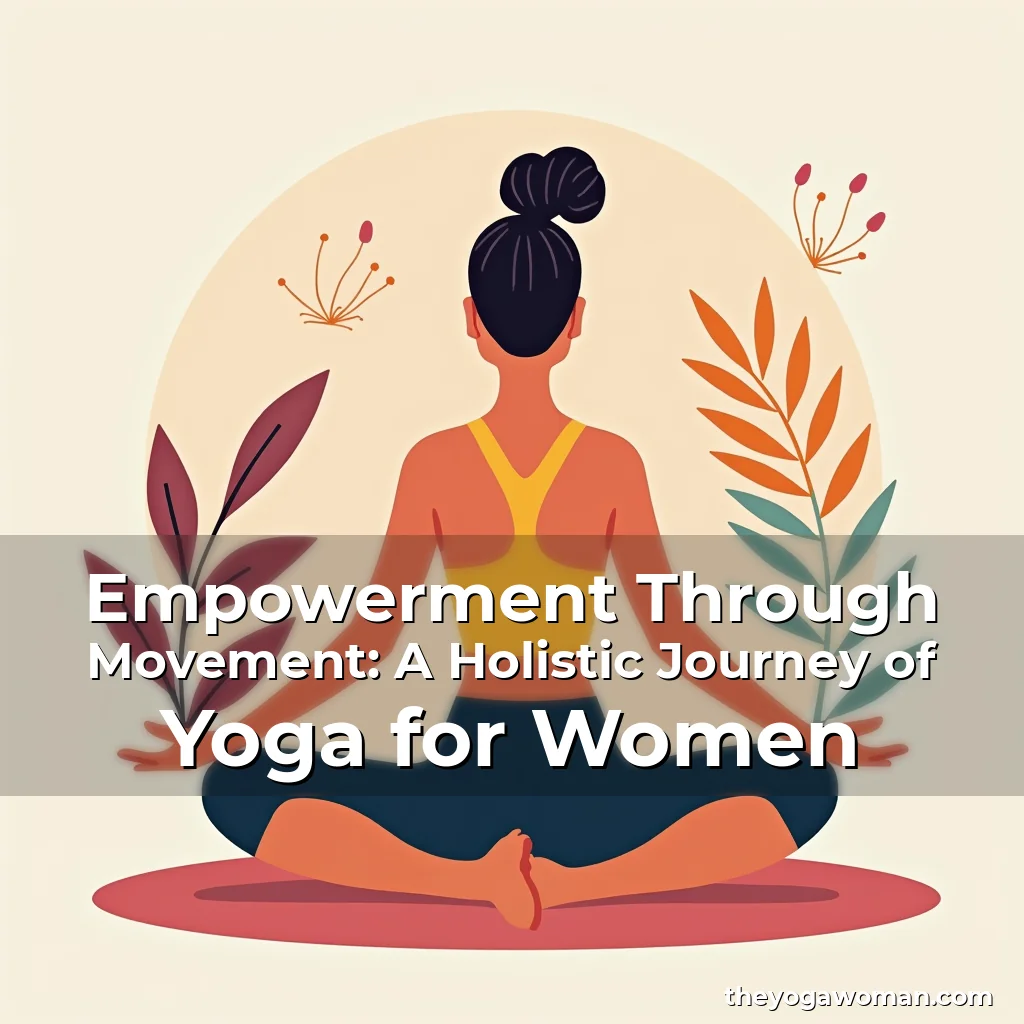
Empowerment Through Movement: A Holistic Journey of Yoga for Women
In today’s fast-paced world, women often juggle countless responsibilities, leaving little time for personal well-being. Yoga emerges as a powerful tool to restore balance, offering not only physical strength and flexibility but also emotional clarity and inner peace. This article explores how yoga caters uniquely to women’s health, empowering them to thrive physically, mentally, and spiritually.
Whether seeking relief from stress, enhancing fitness, or connecting with a supportive community, yoga provides solutions tailored to modern women’s lifestyles. From prenatal sequences to restorative flows, the practice adapts seamlessly to life stages and individual needs.
The Physical Transformation: Strengthening Body and Mind
Yoga fosters profound physical transformation by targeting core muscles, improving posture, and increasing overall flexibility. Unlike conventional workouts, it combines dynamic movements with mindful breathing, promoting muscular endurance without overexertion. Regular practice tones the entire body, particularly benefiting areas prone to strain from daily activities like sitting at a desk or lifting children.
One of the most overlooked benefits of yoga is its role in injury prevention. By enhancing joint mobility and muscle elasticity, it reduces the risk of common ailments such as lower back pain or carpal tunnel syndrome. Women who incorporate even 15 minutes of daily flow into their routine notice gradual improvements in energy levels and bodily alignment.
- Prenatal Poses: Modified sequences support expectant mothers by strengthening pelvic floor muscles and alleviating discomfort associated with pregnancy.
- Postural Correction: Forward bends and twists counteract hunching caused by prolonged screen use, restoring natural spinal curvature.
Mental Resilience: Cultivating Inner Peace Amid Chaos
In a society that glorifies busyness, women frequently experience chronic stress from professional demands, caregiving roles, and societal expectations. Yoga serves as an anchor, teaching techniques to quiet racing thoughts and return to the present moment. Practices like pranayama (breath control) activate the parasympathetic nervous system, instantly lowering cortisol levels.
Studies show that consistent yoga practice improves cognitive function and memory retention, crucial skills for managing complex tasks. The meditative aspect of holding poses encourages introspection, helping women identify emotional triggers and respond thoughtfully instead of reacting impulsively.
The Science Behind Stress Reduction
Research published in *Frontiers in Psychology* reveals that participants practicing yoga three times weekly experienced a 27% reduction in perceived stress scores after eight weeks. This outcome stems from increased GABA production—a neurotransmitter linked to mood regulation. Additionally, yoga enhances heart rate variability, indicating better autonomic nervous system function.
Women navigating menopause may find particular solace in yoga’s ability to regulate hormonal fluctuations. Gentle stretching eases tension headaches, while focused breathwork mitigates hot flashes triggered by stress responses. The combination of physical activity and mindfulness creates a holistic approach to symptom management.
Navigating Life Stages: Yoga for Every Chapter of Womanhood
From adolescence through elder years, women encounter distinct physiological changes requiring specialized approaches. Teenage girls benefit immensely from foundational postures that build bone density while preventing issues like kyphosis. Menopausal women discover renewed vitality through balancing acts that stabilize fluctuating hormones naturally.
Pregnancy represents a transformative phase where yoga becomes both a safety net and celebration of new beginnings. Certified prenatal instructors design sequences that accommodate shifting bodies, emphasizing comfort over intensity. Postpartum restoration involves gentle stretches to heal pelvic floor damage and rekindle physical connection with one’s body.
Hormonal Harmony: Aligning Practice with Natural Cycles
Awareness of menstrual phases allows women to tailor their yoga practice for optimal results. During follicular phase (days 1-14), invigorating vinyasa flows boost estrogen levels and enhance creativity. In luteal phase (days 15-28), grounding poses like child’s pose support progesterone balance and prepare the body for potential conception.
Critical days require extra care—gentle hip openers alleviate cramps, while deep abdominal breathing soothes premenstrual irritability. Tracking cycle patterns alongside yoga sessions helps create personalized routines that honor biological rhythms rather than impose external standards.
Building Confidence: Emotional Empowerment Through Asana
Beyond physical prowess, yoga cultivates unshakable self-assurance. Mastering challenging poses like headstand or warrior III instills pride in overcoming obstacles. Each successful attempt reinforces belief in one’s capabilities, translating to greater assertiveness in professional settings.
Restorative yoga plays a vital role in nurturing self-compassion. Allowing oneself to stay in supported poses teaches acceptance of limitations, fostering patience with progress. This mindset shift profoundly impacts relationships, enabling healthier boundaries and authentic communication.
Finding Your Tribe: Community Connections in Yoga
While solo practice offers solitude, joining group classes opens doors to meaningful connections. Shared experiences of struggle and triumph forge bonds stronger than casual acquaintanceship. Many studios host monthly theme nights focused on topics ranging from motherhood challenges to career transitions.
Online platforms extend accessibility globally, allowing participation regardless of location. Virtual workshops connect women across continents discussing similar concerns—from cultural identity to global feminism. Hashtags like #YogaWithPurpose create digital spaces where stories inspire collective growth.
Style Selection: Choosing the Perfect Fit
Selecting the ideal yoga discipline depends largely on lifestyle preferences and goals. Power yoga suits busy professionals needing quick yet effective workouts, whereas yin yoga appeals to those seeking deeper tissue release through longer holds. Exploring various styles prevents stagnation and keeps engagement fresh.
Maternity-specific programs address unique needs during pregnancy with modifications prioritizing fetal safety. Adaptive yoga ensures inclusivity for individuals with disabilities, proving that every body can participate meaningfully. Seasonal variations offer creative ways to stay motivated year-round.
Conquering Obstacles: Overcoming Common Barriers
Lack of time remains the primary deterrent for many aspiring yogis. Incorporating micro-sessions—five-minute flows during lunch breaks or evening wind-down rituals—makes consistency achievable despite packed calendars. Setting realistic goals prevents burnout from unrealistic expectations.
Social pressures sometimes discourage initiation, particularly among working mothers fearing judgment. Emphasizing yoga as self-care rather than vanity exercise reframes perceptions positively. Joining beginner-friendly classes normalizes learning curves inherent to newcomers.
Integrating Practice: Seamless Integration into Modern Lifestyles
Smartphone apps provide guided sessions perfect for morning routines or midday resets. Using office chairs for seated forward folds turns mundane moments into opportunities for mindfulness. Carrying a mat in handbags enables spontaneous practice during travel or waiting periods.
Creating dedicated home corners transforms living spaces into sanctuaries. Soft lighting, scented candles, and calming music enhance ambiance significantly. Scheduling regular sessions using calendar reminders builds accountability without rigid structures.
Real-Life Transformations: Voices from the Yoga Community
Jane, a nurse turned entrepreneur, credits daily savasanas with maintaining composure during high-pressure situations. “After years of burnout, yoga gave me tools to breathe through chaos,” she shares. Her story reflects how mindfulness translates beyond mats into everyday interactions.
Marketing executive Priya discovered her passion for prenatal yoga after experiencing complications herself. Now leading workshops nationwide, she empowers others with knowledge once absent from mainstream healthcare discussions. Such journeys exemplify how yoga catalyzes unexpected paths of service and leadership.
Beginner Tips: Launching Your Yoga Journey Successfully
Newcomers should prioritize comfort over perfection, opting for non-skid mats and breathable clothing. Listening attentively to instructor cues prevents misalignment risks. Recording sessions aids future reference, gradually building familiarity with terminology and form.
Tracking progress through journal entries documents subtle shifts in flexibility or emotional resilience. Celebrating small victories—like holding downward dog consistently for five days—reinforces positive associations with practice. Patience becomes the ultimate teacher on this journey.
Ensuring Safety: Prioritizing Well-Being Throughout Practice
Consulting medical professionals before beginning intense regimens safeguards against contraindications. Individuals with pre-existing conditions should seek guidance from certified specialists versed in therapeutic applications. Proper warm-ups prevent strains commonly encountered by beginners.
Recognizing warning signs like dizziness or sharp pains requires immediate cessation of exercises causing discomfort. Using props intelligently maintains correct postures without forcing joints into unnatural positions. Adjustments made with awareness protect long-term musculoskeletal health.
Nutritional Synergy: Enhancing Practice Through Diet
Dietary choices significantly impact yoga outcomes. Consuming anti-inflammatory foods like turmeric-infused meals supports joint health, while adequate hydration sustains stamina during vigorous sessions. Timing nourishment appropriately—eating lightly before practice and replenishing afterward—optimizes performance.
Kundalini practitioners emphasize whole food diets rich in plant-based nutrients, aligning dietary habits with spiritual principles. Integrating superfoods like chia seeds or spirulina boosts energy reserves, aiding in sustaining demanding postures without fatigue.
Sustainable Habits: Making Yoga Last Beyond Initial Enthusiasm
Cultivating sustainable habits hinges on viewing yoga as lifelong companionship rather than temporary fix. Attending retreats occasionally refreshes perspectives, while attending seminars expands understanding continuously. Establishing routines that evolve with changing circumstances preserves relevance over time.
Engaging mentors through mentorship programs offers personalized direction, preventing plateaus due to stagnation. Participating in advanced trainings broadens skill sets, transforming students into teachers capable of guiding others effectively. Continuous learning fuels ongoing evolution along this path.
Conclusion
This exploration has illuminated yoga’s multifaceted role in enriching women’s lives across diverse dimensions. From physiological transformations to emotional liberation, the practice offers endless possibilities for growth and healing. Recognizing its adaptability ensures continued relevance amidst evolving personal landscapes.
To begin your journey, choose one simple action today—whether trying a basic sun salutation sequence or attending a nearby class. Remember, every step taken toward mindfulness brings lasting rewards that ripple outward into all facets of existence. May your path be filled with grace, strength, and boundless discovery.

news is a contributor at TheYogaWoman. We are committed to providing well-researched, accurate, and valuable content to our readers.
You May Also Like