Table of Contents
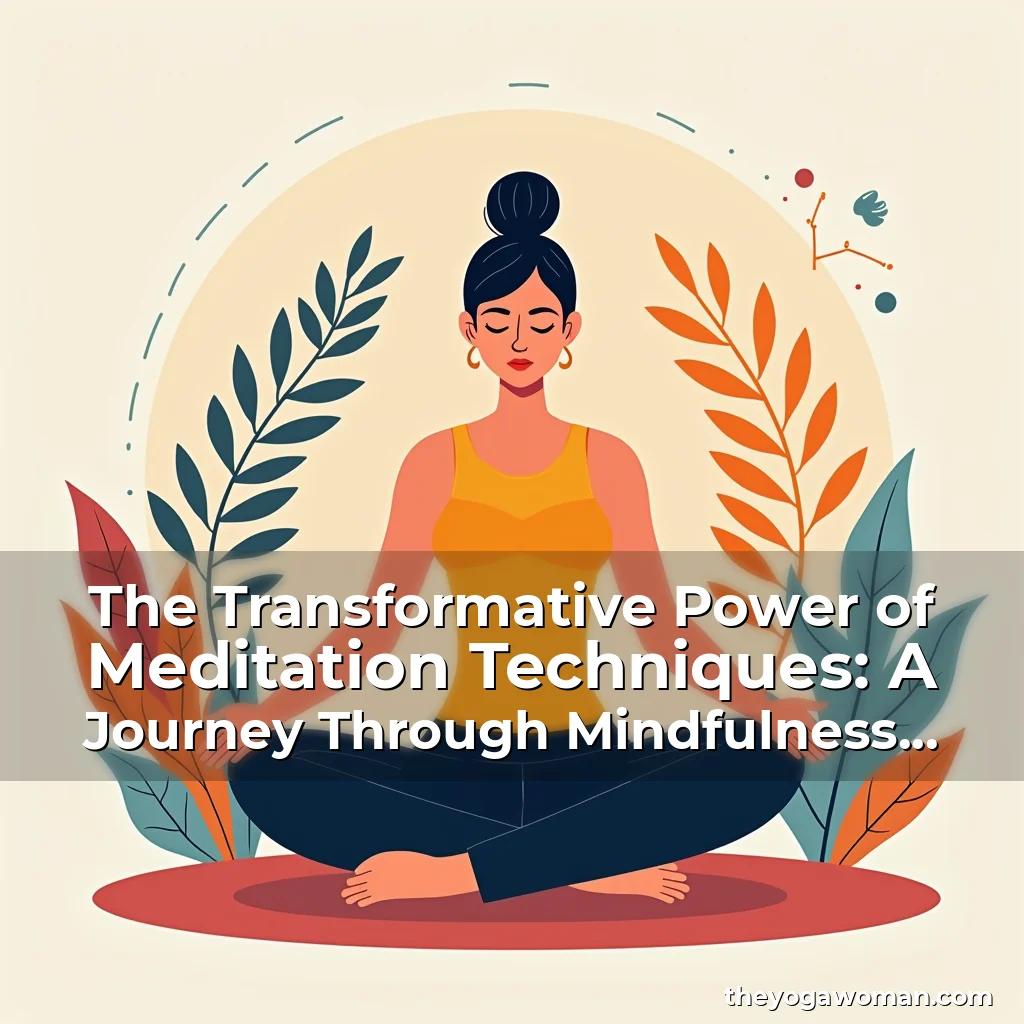
The Transformative Power of Meditation Techniques: A Journey Through Mindfulness Practices
In an era marked by constant connectivity and digital overload, discovering effective ways to center oneself has become essential. Meditation techniques offer a sanctuary from life’s chaos, allowing individuals to cultivate inner peace, clarity, and emotional resilience.
This guide explores diverse meditation methods tailored for modern practitioners seeking balance amidst their busy lives. Whether you’re new to mindfulness or looking to deepen your practice, these insights will help you find the perfect technique that resonates with your personal journey.
Understanding the Foundations of Meditation
Meditation is not merely sitting still; it’s an intentional act of observing thoughts without judgment while anchoring awareness in the present moment. This foundational principle underpins all forms of meditation, making it accessible regardless of experience level.
At its core, meditation requires three key elements: a quiet space, focused attention, and consistent practice. These components create fertile ground for developing mental discipline and emotional stability over time.
- Breath Awareness: Focusing on natural breathing patterns helps establish presence during sessions.
- Body Scan: Systematically scanning physical sensations promotes body-mind connection and relaxation.
Exploring Different Types of Meditation Techniques
The diversity of meditation practices reflects varying needs and goals among practitioners. From concentration-based approaches to open-monitoring styles, each method offers unique benefits aligned with individual aspirations.
Loving-kindness (metta) meditation cultivates compassion through repeated affirmations directed towards self and others. It’s particularly beneficial for those seeking greater empathy or healing after trauma.
Vipassana focuses on insight through mindful observation of bodily sensations and thought processes. Practitioners often report heightened awareness and reduced reactivity as a result.
Guided vs Unguided Meditation: Choosing Your Path
For beginners, guided meditations provide structure and support through verbal instructions led by experienced teachers. These recordings can range from five minutes to hour-long sessions depending on availability and preference.
Unguided practice encourages independence and deepens familiarity with internal states. However, it may require additional resources such as apps offering customizable timers or printable guides.
Consider combining both approaches initially – using guided sessions to build foundation skills before transitioning gradually toward unguided exploration.
Integrating Meditation Into Daily Life
Consistency matters most when establishing any meditation habit. Even brief daily sessions contribute significantly to long-term well-being compared to sporadic efforts at longer durations.
Create optimal conditions by selecting a dedicated space free from distractions where you feel safe and supported throughout your practice. Lighting, temperature, and seating arrangements all play roles in enhancing comfort levels.
Establishing routine timing helps reinforce neural pathways associated with calmness and focus. Many people prefer early morning hours but afternoon breaks work equally well based on personal schedules.
Navigating Common Challenges During Practice
It’s normal for distracting thoughts to arise during initial stages of learning meditation. Rather than frustration, view these interruptions as opportunities to refine observational skills rather than signs of failure.
Sitting discomfort often accompanies early experiences due to poor posture choices. Experiment with cushions, chairs, or even lying down until finding what feels sustainable for your body type.
If restlessness persists despite best efforts, consider shorter session lengths or alternative formats like walking meditation which might better align with current energy levels.
Cultivating Advanced Meditation Practices
As proficiency grows, explore specialized modalities designed for deeper transformational outcomes. Transcendental meditation utilizes personalized mantras to achieve profound states of consciousness quickly.
Tai Chi Chuan combines gentle movement sequences with breath control principles found in traditional Chinese medicine systems. Its fluid motions promote holistic wellness across mind-body spectrum.
Dhyana refers specifically to sustained single-pointed concentration practiced extensively within Hindu traditions worldwide today. Mastery here leads naturally into higher spiritual pursuits.
Scientific Insights Behind Effective Meditation Methods
Research indicates regular meditation alters brain structures related to emotion regulation and memory consolidation. Specifically, increased gray matter density occurs in areas responsible for learning capacity and self-awareness.
Functional MRI studies show decreased activity in amygdala regions linked with stress responses following consistent meditation engagement. This physiological change correlates strongly with reported subjective improvements in mood management abilities.
Longitudinal data supports cumulative effects of continued practice leading eventually toward neuroplasticity changes that enhance cognitive flexibility and emotional intelligence quotient scores significantly over years.
Personalizing Your Meditation Experience
No single approach works universally since preferences vary greatly between individuals regarding style, duration, setting requirements etcetera. Reflect honestly upon what aspects resonate personally before committing fully to particular methodologies.
Some thrive best within structured environments whereas others need complete freedom without external guidance. Recognize these differences early so choices made later remain authentic reflections of true desires rather than societal expectations.
Keep records tracking progress through journals noting shifts in mindset patterns observed post-practice periods. Such documentation aids future adjustments ensuring continuous growth trajectory remains clear directionally.
Fostering Community Connections Through Shared Practice
Joining local groups provides invaluable social reinforcement alongside technical instruction received formally elsewhere. Interacting regularly with fellow travelers along similar paths enhances motivation sustainably beyond solitary effort alone.
Online communities expand access dramatically especially benefiting those living remotely unable attend meetings physically nearby conveniently. Participation via video calls or forums maintains active involvement globally irrespective geographical constraints.
Teaching others reinforces understanding simultaneously strengthening bonds formed through mutual encouragement exchanging knowledge freely across generations bridging gaps created historically between age cohorts previously separated culturally socially economically.
Conclusion
Meditation techniques serve as powerful tools enabling conscious navigation through modern challenges faced daily by millions worldwide striving toward equilibrium between outer demands versus inner tranquility sought earnestly now more than ever before.
By exploring various available options systematically while remaining flexible enough adapting strategies according to evolving needs continuously, anyone can successfully integrate meaningful meditation routines into everyday existence ultimately transforming perspective permanently towards lasting fulfillment.
“`

news is a contributor at TheYogaWoman. We are committed to providing well-researched, accurate, and valuable content to our readers.
You May Also Like