Table of Contents
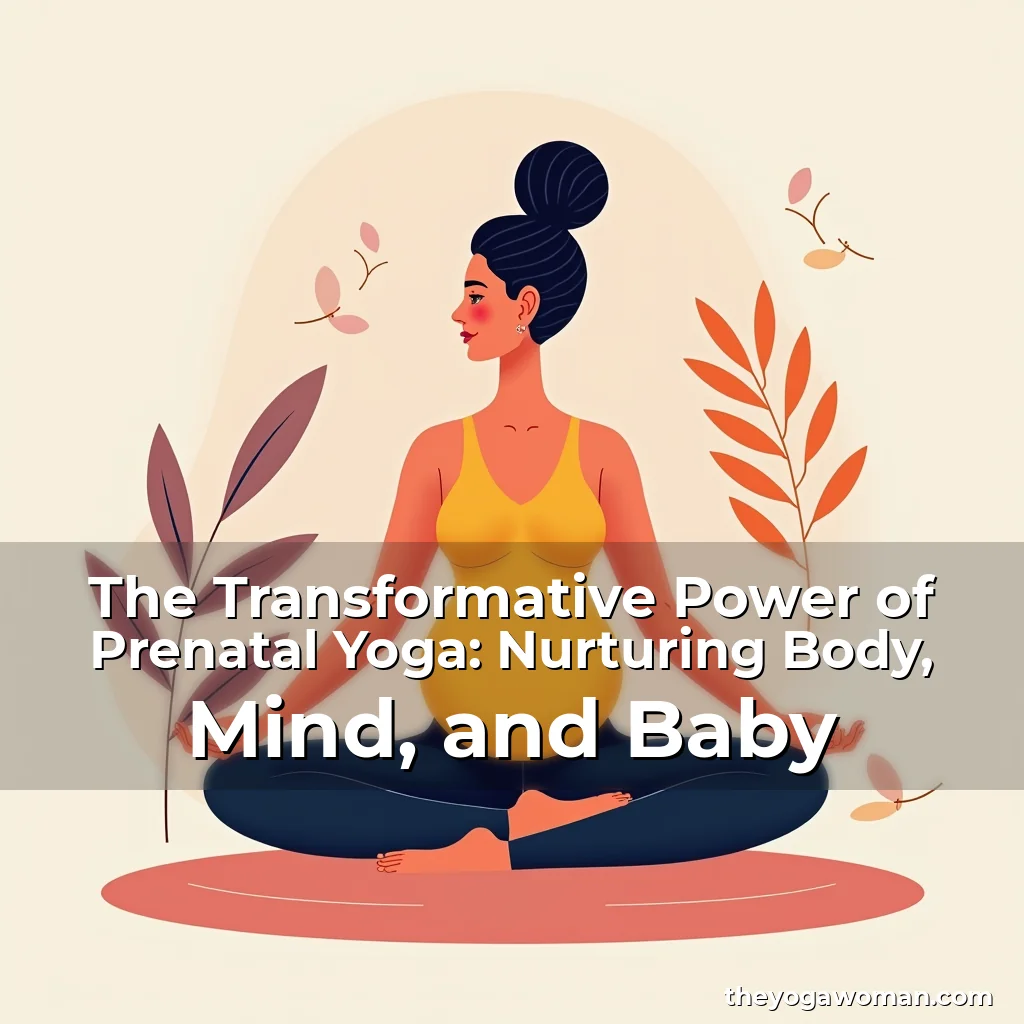
The Transformative Power of Prenatal Yoga: Nurturing Body, Mind, and Baby
Prenatal yoga is not merely an exercise routine; it’s a holistic journey that nurtures both mother and baby during pregnancy. This ancient practice combines gentle movements, breathwork, and mindfulness to support physical health, emotional well-being, and spiritual connection.
With its roots in traditional yoga philosophy, prenatal yoga has evolved into a modern essential for expectant mothers seeking balance and strength through their transformative journey. The benefits extend beyond the physical, offering profound mental and emotional support crucial for navigating pregnancy challenges.
Fundamental Principles of Prenatal Yoga Practice
Prenatal yoga is grounded in core principles designed specifically for pregnant women. These include modified postures tailored to each trimester, emphasis on safe breathing techniques, and integration of restorative practices that honor the body’s changing needs.
The foundational approach prioritizes comfort over intensity while maintaining the essence of yoga as a unifying discipline between mind, body, and spirit. Teachers are trained to adapt poses safely, ensuring alignment with medical guidelines for maternal wellness.
- Mindful Movement: Focuses on slow, intentional motions that promote flexibility without strain
- Adaptive Postures: Modified versions of classic yoga poses accommodate shifting centers of gravity and joint mobility changes
- Breath Awareness: Specialized pranayama exercises enhance oxygenation and reduce anxiety levels
Physical Benefits of Practicing Prenatal Yoga
Regular participation in prenatal yoga significantly improves posture by strengthening core muscles and aligning spinal curvature naturally. This becomes especially important as the belly grows and shifts weight distribution.
Enhanced circulation is another key benefit, with improved blood flow supporting fetal development and reducing common discomforts like swelling and fatigue. Gentle stretching also helps alleviate back pain associated with hormonal changes.
Scientific Evidence Supporting Physical Advantages
Research from the American College of Obstetricians and Gynecologists indicates that consistent prenatal yoga practice reduces risk factors for complications such as gestational hypertension. Studies show measurable improvements in muscle tone and balance among participants.
A 2022 meta-analysis published in the Journal of Midwifery & Women’s Health found that expectant mothers who practiced yoga regularly experienced fewer instances of preterm labor compared to non-practitioners. These findings underscore the physiological advantages of the practice.
Mental and Emotional Wellbeing Through Pregnancy Yoga
Pregnancy brings dramatic hormonal fluctuations that can lead to mood swings and heightened stress responses. Prenatal yoga offers effective coping mechanisms through controlled breathing and meditation techniques.
The meditative aspects of yoga help regulate cortisol levels, promoting relaxation and emotional stability. Focused attention on breath patterns creates a calming effect that counteracts pregnancy-related anxiety.
- Stress Reduction: Scientific studies confirm decreased cortisol production after regular sessions
- Emotional Resilience: Builds psychological endurance against typical pregnancy challenges
- Mood Regulation: Helps manage fluctuating hormones through mindful awareness practices
Preparing for Your First Prenatal Yoga Class
Selecting an appropriate class requires considering several factors including your fitness level, stage of pregnancy, and personal preferences regarding class size and teaching style.
Look for instructors certified in prenatal yoga by reputable organizations like the Yoga Alliance or the Prenatal Yoga Association. Ensure classes are held in clean, well-ventilated spaces with adequate matting for comfort.
Evaluating Instructors and Class Settings
Certified teachers demonstrate expertise in modifying poses for different stages of pregnancy while adhering strictly to safety protocols. They understand when to suggest alternatives based on individual health conditions.
Class environments should offer enough space for movement while maintaining a warm, welcoming atmosphere conducive to learning new postures at any skill level. Some studios provide specialized prenatal amenities like supportive props.
Navigating Common Concerns About Prenatal Yoga
Many expectant mothers have questions about the safety and effectiveness of practicing yoga during pregnancy. Addressing these concerns proactively ensures informed decision-making about participation.
Safety remains paramount, with careful modifications preventing injury risks while still allowing access to the many benefits of yoga. Qualified instructors know which poses to avoid or adjust based on medical history and current symptoms.
- Medical Clearance: Always consult healthcare providers before beginning any new exercise regimen during pregnancy
- Modified Poses: Avoid inversions and deep twists unless approved by a physician or midwife
- Hydration: Stay properly hydrated before, during, and after practice to maintain optimal function
Creating a Home-Based Prenatal Yoga Routine
Establishing a home practice allows greater flexibility in scheduling while maintaining consistency in routines. Begin with simple sequences focusing on basic postures that prioritize comfort and ease.
Incorporate breathing exercises daily to build familiarity with mindful respiration techniques. A typical session might combine gentle stretches with seated meditation lasting approximately 20 minutes.
Essential Props for Safe At-Home Practice
Supportive tools like bolsters, blocks, and blankets enhance safety and accessibility. These items help achieve correct alignment in poses without straining joints or ligaments.
Choose breathable mats with good grip to prevent slips. Consider using a bolster under the hips during certain postures to relieve pressure points comfortably.
Connecting With Other Expectant Mothers Through Group Classes
Group prenatal yoga sessions foster social connections that enrich the overall experience. Sharing experiences with others going through similar journeys provides emotional support and practical advice.
These communal settings encourage open discussions about pregnancy milestones, fears, and hopes, creating a network of mutual encouragement. Regular attendance builds camaraderie among participants.
- Community Support: Creates opportunities for shared knowledge and collective healing
- Peer Learning: Observing other students’ progress can inspire motivation and confidence
- Shared Experiences: Bonding over common challenges strengthens group cohesion
Integrating Prenatal Yoga Into Daily Life
Consistency is key to reaping long-term benefits from prenatal yoga. Establishing regular times for practice reinforces healthy habits that continue into postpartum recovery.
Taking brief moments throughout the day for mindful breathing can complement formal sessions. Even five minutes of focused respiration can reset stress levels effectively.
Building a Sustainable Practice
Create a dedicated space free from distractions where you feel comfortable exploring movements. Incorporate elements like soft lighting and soothing music to enhance relaxation.
Vary your routine periodically to prevent boredom but maintain core components that address specific needs identified during your pregnancy. Listen to your body’s signals for guidance.
Postnatal Transition From Prenatal Yoga
After childbirth, transitioning smoothly from prenatal to postnatal yoga supports continued physical and emotional healing. Understanding how to modify practices accordingly facilitates this adaptation period.
Focus initially on rebuilding core strength gradually rather than pursuing intense workouts. Emphasize restorative postures until full recovery progresses naturally.
- Gentle Recovery: Prioritize low-impact movements that respect healing timelines
- Rest Periods: Allow ample time for rejuvenation between sessions
- Continuity Care: Maintain connections with prenatal instructors familiar with your progress
Conclusion
Prenatal yoga emerges as a powerful tool for cultivating harmony between mother and child throughout pregnancy. Its multifaceted benefits encompass physical conditioning, mental clarity, and emotional resilience essential for a fulfilling journey.
To begin experiencing these advantages firsthand, locate local prenatal yoga classes or explore online resources offering structured programs suitable for various stages of pregnancy. Embrace this opportunity to nurture yourself while preparing for the beautiful chapter ahead.

news is a contributor at TheYogaWoman. We are committed to providing well-researched, accurate, and valuable content to our readers.
You May Also Like