Table of Contents
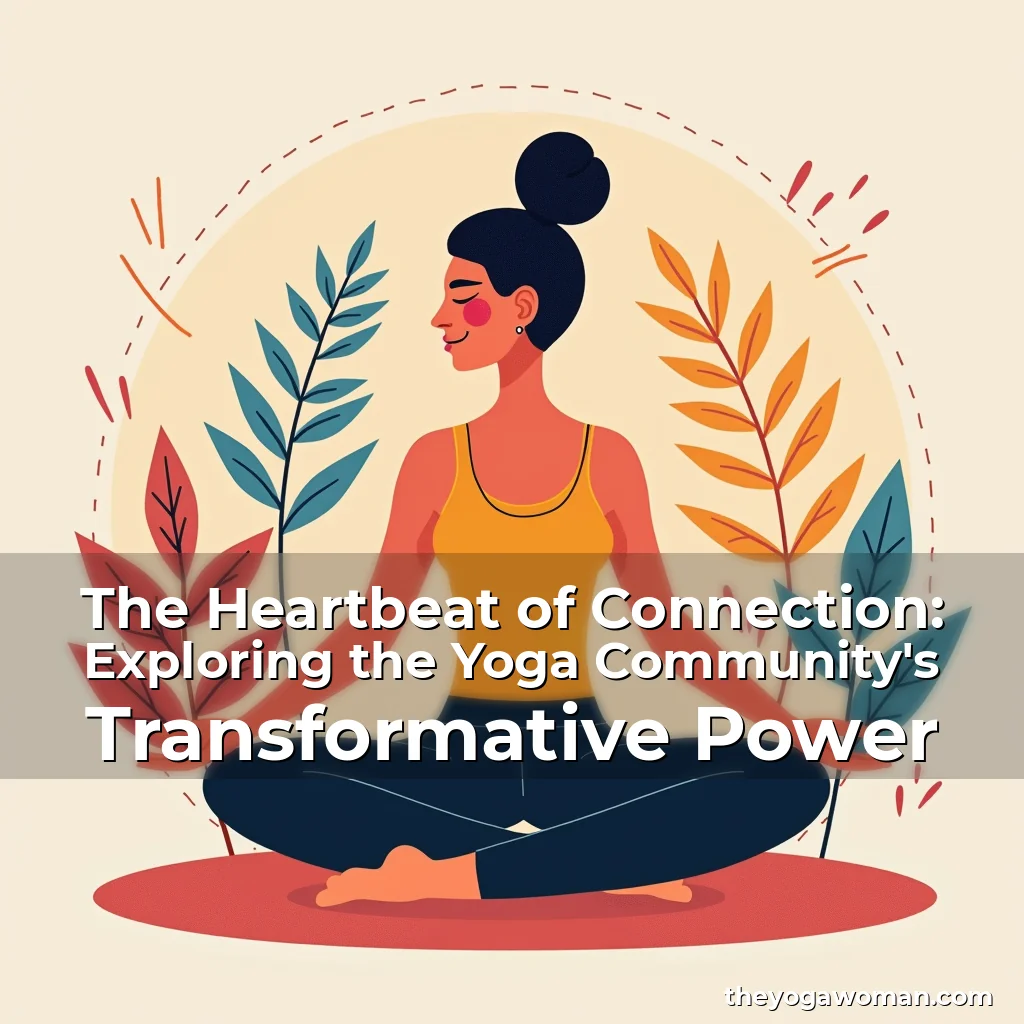
The Heartbeat of Connection: Exploring the Yoga Community’s Transformative Power
In an age where digital interactions often overshadow face-to-face connections, the yoga community stands as a vibrant testament to human connection through shared purpose and practice.
This thriving network of practitioners spans continents, uniting individuals from diverse backgrounds under the common goal of physical well-being, mental clarity, and spiritual growth.
Cultivating Unity Through Shared Practice
The essence of the yoga community lies in its ability to create spaces where people come together not only to perform postures but also to foster genuine relationships built on mutual support and understanding.
Different styles of yoga, whether Vinyasa, Hatha, or Restorative, serve as gateways for newcomers while deepening the experience for seasoned yogis alike.
Classrooms become microcosms of diversity, where language barriers dissolve amidst the rhythm of breath and movement.
The communal aspect of practicing yoga cultivates empathy and patience among participants who share their journeys openly without judgment.
Fostering Inclusivity and Belonging
The modern yoga community has evolved significantly over recent decades, embracing inclusivity that reflects society’s changing values regarding accessibility and representation.
Yoga studios now actively seek out instructors from various cultural backgrounds, ensuring that teachings resonate authentically across different communities.
- Accessibility initiatives: Many organizations offer sliding scale fees or free classes specifically designed for underserved populations.
- Representation matters: Increased visibility of LGBTQ+ individuals within yoga circles helps promote acceptance and reduce stigma associated with wellness practices.
Adaptations such as chair yoga accommodate those with mobility challenges, reinforcing the message that everyone can benefit from regular practice regardless of physical limitations.
Nurturing Personal Growth Within Collective Spaces
Participation in group settings encourages personal development by exposing members to new perspectives and techniques previously unknown to them.
Regular attendance at classes fosters accountability, making it easier for individuals to maintain consistency in their routines despite busy schedules.
Workshops focusing on mindfulness meditation provide opportunities for deeper introspection beyond traditional mat-based sessions.
These collective experiences contribute to emotional resilience, helping participants navigate life’s challenges with greater ease.
Bridging Generational Gaps Through Common Ground
The intergenerational nature of many yoga communities allows for meaningful exchanges between younger enthusiasts eager to learn and older generations rich in wisdom.
Youthful energy infuses traditional methods with fresh interpretations, creating dynamic learning environments that respect both heritage and innovation.
Elderly practitioners bring historical context and philosophical depth to discussions around ethics and self-care practices.
This cross-pollination enriches the overall experience, ensuring that knowledge flows freely across age groups without hierarchy.
Leveraging Technology for Global Connectivity
While face-to-face interaction remains central, technology plays an increasingly vital role in expanding access to global yoga networks.
Online platforms facilitate virtual meetups, enabling participants worldwide to engage simultaneously during live-streamed sessions led by international teachers.
Social media channels allow users to share progress updates, motivational quotes, and resources tailored toward specific interests within the broader spectrum of yoga traditions.
Digital archives preserve rare forms of ancient pranayama techniques accessible anytime anywhere, democratizing information once restricted geographically.
Creating Safe Havens Amidst Modern Stressors
In today’s fast-paced world filled with constant stimuli, dedicated yoga spaces function as sanctuaries offering respite from external pressures.
Well-designed studios incorporate elements like natural lighting, calming scents, and soothing sounds that enhance relaxation levels naturally.
Mental health professionals occasionally collaborate with instructors to address anxiety disorders using evidence-based approaches rooted in mindful breathing exercises.
This holistic integration supports long-term psychological benefits unattainable solely through medication alone.
Promoting Environmental Consciousness Through Sustainable Practices
A growing number of eco-conscious yogis advocate for sustainable living choices aligned with core principles emphasizing harmony with nature.
Many studios adopt zero-waste policies including compost programs, reusable water bottle stations, and biodegradable mats made from recycled materials.
Community clean-up events organized around local parks reinforce environmental stewardship ideals inherent in classical texts describing nature worship.
Such efforts align perfectly with the idea that true transformation begins internally before manifesting externally onto our planet.
Encouraging Lifelong Learning Opportunities
Continuous education is highly valued within active yoga circles, encouraging members to pursue advanced certifications or specialized trainings regularly.
Retreats held annually give attendees time away from daily responsibilities allowing full immersion into intensive study periods focused exclusively on mastering complex sequences.
Guest lectures featuring renowned scholars discuss topics ranging from Ayurveda applications to contemporary research findings validating therapeutic effects scientifically.
This commitment ensures that knowledge evolves alongside societal advancements rather than stagnating behind outdated methodologies.
Building Resilience Against Cultural Appropriation Debates
As interest in Eastern philosophies grows globally, thoughtful engagement becomes essential when integrating non-Western elements respectfully into mainstream culture.
Educational workshops help clarify distinctions between appropriation versus appreciation by teaching history accurately alongside practical skills acquisition safely.
Teachers trained ethically ensure correct pronunciation of Sanskrit terms along with accurate contextualization so students understand origins properly.
This proactive approach prevents dilution of sacred rituals reducing potential misunderstandings arising from superficial exposure alone.
Conclusion
The yoga community continues evolving dynamically shaped by ongoing dialogues surrounding identity formation, ecological responsibility, technological adaptation, and ethical considerations.
By nurturing inclusive atmospheres grounded in authenticity while remaining open towards future possibilities, we honor past legacies even as we shape tomorrow’s narratives collectively.

news is a contributor at TheYogaWoman. We are committed to providing well-researched, accurate, and valuable content to our readers.
You May Also Like