Table of Contents
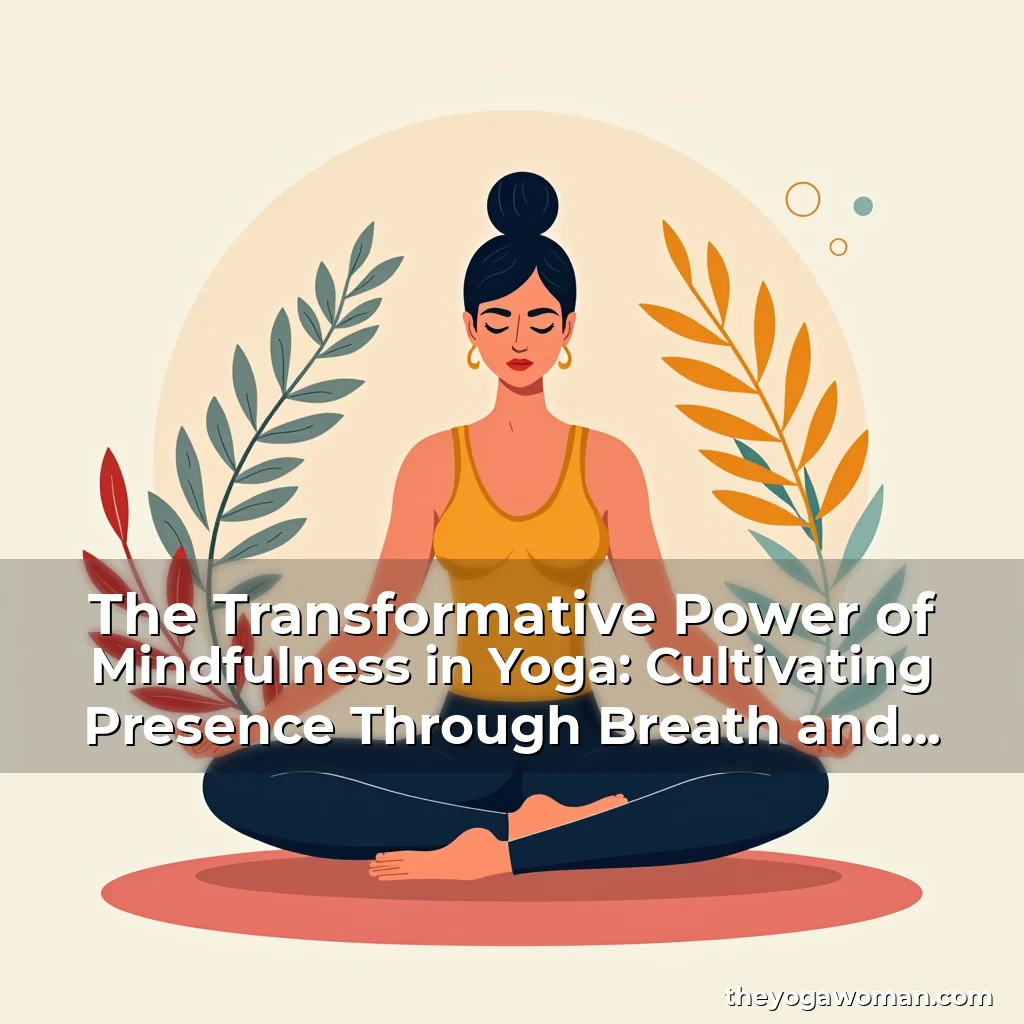
The Transformative Power of Mindfulness in Yoga: Cultivating Presence Through Breath and Movement
In an era defined by constant digital stimulation and relentless pace, mindfulness has emerged as a vital antidote to stress and disconnection. When integrated with yoga—a practice rooted in ancient wisdom—mindfulness transforms from a fleeting concept into a lived experience that reshapes how we engage with our bodies, thoughts, and surroundings.
This exploration delves into the symbiotic relationship between mindfulness and yoga, revealing practical techniques to deepen your practice and unlock profound inner stillness amidst life’s chaos.
Bridging Ancient Wisdom and Modern Stressors
The origins of yoga trace back over 5,000 years to the Indian subcontinent, where sages developed physical postures, breathwork, and meditative practices to cultivate awareness and spiritual connection. These foundational principles remain remarkably relevant today, offering solutions to modern challenges such as chronic stress, anxiety, and emotional reactivity.
Mindfulness, often associated with Buddhist traditions, shares deep philosophical roots with yoga’s core tenet of samadhi—a state of unified consciousness. This convergence creates a powerful framework for integrating body-mind harmony into daily life beyond the mat.
Modern neuroscience validates what yogis have known for millennia: regular mindfulness practice rewires neural pathways, reducing activity in the amygdala (the brain’s fear center) while enhancing prefrontal cortex function responsible for executive decision-making and emotional regulation.
Fundamental Principles of Mindful Yoga Practice
A mindful yoga session begins with intentional preparation. Setting aside dedicated time free from electronic devices allows space for presence. Creating a sacred environment through lighting, music, or natural elements enhances mental clarity before beginning asana practice.
The principle of kumbhaka—controlled breathing—is central to cultivating mindfulness during yoga. By focusing attention on the rhythm of inhalation and exhalation, practitioners anchor themselves in the present moment rather than being carried away by racing thoughts.
- Body scan meditation: Systematically observing bodily sensations builds proprioceptive awareness, helping identify tension patterns and releasing them physically and mentally.
- Vedanta philosophy integration: Incorporating teachings about non-duality helps dissolve the illusion of separation between self and universe, fostering compassion and interconnectedness.
Cultivating Awareness Through Asanas
Each yoga posture becomes an opportunity to refine mindfulness skills. Instead of fixating solely on form perfection, students are encouraged to observe how each movement feels within their bodies. Noting subtle changes in muscle engagement or joint alignment fosters embodied intelligence.
Challenging poses like Crow Pose (Bakasana) require sustained concentration and balance. The process of mastering these postures teaches patience and resilience when faced with difficulty—an invaluable lesson for navigating life’s obstacles mindfully.
Restorative poses such as Supported Fish Pose offer moments of conscious relaxation. Practitioners learn to differentiate between rest and passive surrender, developing discernment in distinguishing healthy boundaries versus avoidance behaviors.
Mindfulness Beyond the Mat: Daily Integration Strategies
Yoga’s true power lies in its capacity to extend mindfulness beyond formal practice sessions. Simple acts like washing dishes or walking can become opportunities for full-body attention when approached with intentionality. This principle is encapsulated in the Sanskrit term svadyaya—self-study through every action.
Establishing micro-mindfulness rituals throughout the day reinforces present-focused living. For example, taking three slow breaths before answering emails or pausing briefly after waking up to notice bodily sensations cultivates continuous awareness without requiring significant time investment.
Keeping a mindfulness journal offers insight into thought patterns and triggers. Recording observations about emotional responses during routine activities reveals recurring themes that might benefit from deeper investigation through yoga-based introspection.
Navigating Challenges in Mindful Yoga Practice
Developing consistent mindfulness requires confronting common barriers like impatience and self-criticism. Recognizing these internal dialogues as transient phenomena rather than absolute truths reduces their power to disrupt flow during practice.
Social media comparisons can undermine progress tracking in yoga. Establishing personal benchmarks based on individual growth metrics instead of external standards fosters healthier relationships with both practice and self-image.
When frustration arises during challenging poses, remembering that mindfulness encompasses acceptance—not perfection—helps maintain equanimity. Observing discomfort without judgment develops crucial emotional literacy applicable across all aspects of life.
The Science Behind Mindful Yoga Benefits
Research published in the Journal of Psychosomatic Research demonstrates that combining mindfulness with yoga significantly lowers cortisol levels compared to either practice alone. This synergy suggests complementary physiological effects on the hypothalamic-pituitary-adrenal axis involved in stress response regulation.
A longitudinal study conducted at Harvard Medical School found participants who practiced mindful yoga twice weekly experienced measurable increases in gray matter density within regions linked to learning, memory, and emotion processing after six months. These structural changes correlated with reported improvements in mood stability and cognitive flexibility.
Functional MRI studies reveal enhanced connectivity between brain areas governing attention and sensory processing among regular mindful yoga practitioners. Such neurological adaptations support improved focus and reduced automatic reactions to stimuli encountered in everyday situations.
Forging Deeper Connections Through Mindful Community Engagement
Participating in group yoga classes naturally incorporates social mindfulness—the ability to be fully present with others without distraction. This shared experience strengthens interpersonal bonds while reinforcing individual commitment to mindful living.
Teaching or assisting in yoga workshops provides opportunities to witness diverse approaches to mindfulness. Observing how different individuals interpret and apply mindful principles broadens perspective and deepens understanding of universal human experiences.
Creating inclusive spaces that honor varied cultural backgrounds enriches collective learning. Encouraging open dialogue about how different traditions approach mindfulness respects diversity while finding common ground in the pursuit of well-being.
Cultivating Gratitude Through Mindful Reflection
Gratitude practices seamlessly integrate with yoga’s emphasis on interdependence. Before beginning a session, silently acknowledging things you’re grateful for establishes a positive mindset that carries through subsequent movements and interactions.
Observing nature during outdoor yoga sessions invites appreciation for the intricate systems sustaining life. Noticing the way sunlight filters through leaves or listening to birdsong activates senses previously dulled by urban environments, reminding practitioners of inherent beauty surrounding them.
Ending each practice with a brief reflection on what was learned during the session reinforces mindfulness gains. Identifying even small victories—like maintaining better posture for longer periods—builds momentum toward continued improvement.
Conclusion
Mindfulness in yoga transcends mere technique; it represents a holistic lifestyle transformation that nurtures body, mind, and spirit simultaneously. This journey involves embracing imperfection, honoring personal rhythms, and remaining curious about new ways of experiencing existence.
To begin cultivating greater presence in daily life, start by dedicating five minutes each morning to focused breathing exercises followed by gentle stretching. Gradually increase duration as comfort grows, always prioritizing quality of attention over quantity of time invested.
“`

news is a contributor at TheYogaWoman. We are committed to providing well-researched, accurate, and valuable content to our readers.
You May Also Like