Table of Contents
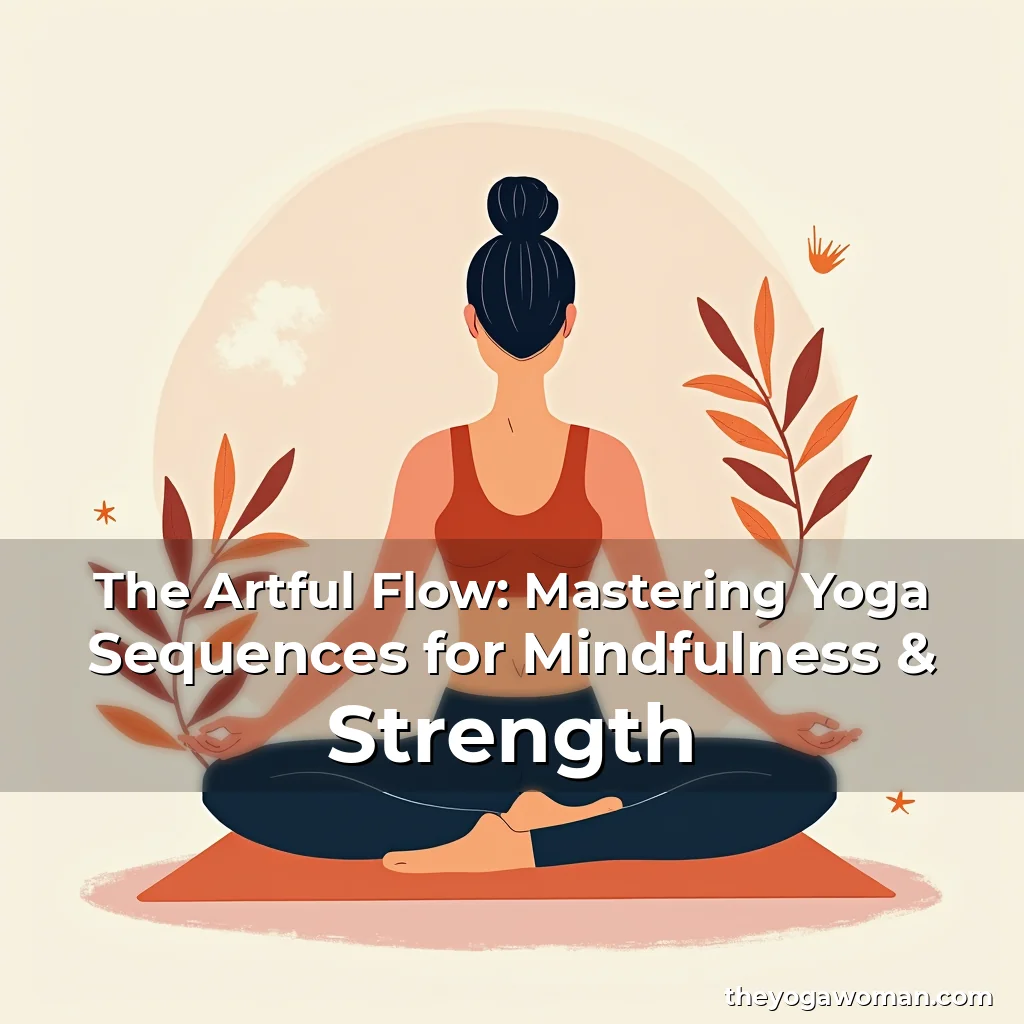
The Artful Flow: Mastering Yoga Sequences for Mindfulness & Strength
In a world that moves at lightning speed, finding moments of stillness is essential for mental clarity and physical well-being. For many, yoga has become not just an exercise but a sanctuary—a place where breath meets movement, and chaos gives way to calm. At the heart of every yoga practice lies the concept of yoga sequences: carefully crafted flows designed to guide practitioners through postures with intention.
A well-designed sequence isn’t merely about stretching muscles; it’s about creating harmony between body, mind, and spirit. Whether you’re new to yoga or have been practicing for years, understanding how these sequences are structured can transform your experience from routine to revelation.
Understanding the Foundation of Yoga Sequencing
To appreciate the beauty behind yoga sequences, we must first understand their fundamental principles. A typical sequence begins with grounding poses—such as Mountain Pose (Tadasana) or Standing Forward Fold (Uttanasana). These foundational movements help establish balance and prepare the body for deeper exploration.
Following warm-ups, most sequences transition into standing poses that build strength and flexibility. Poses like Warrior I (Virabhadrasana I) and Triangle (Trikonasana) challenge both stability and range of motion while encouraging mindfulness during each movement.
- Warm-Up Importance: Properly warming up prevents injury by gradually increasing blood flow to muscles used in subsequent poses.
- Pose Selection Logic: Choosing poses based on individual needs ensures safety and effectiveness within any given session.
Crafting Your Own Unique Sequence
Creating personal yoga sequences allows for greater customization tailored specifically toward individual goals whether those be enhancing flexibility, building core strength, or simply seeking relaxation. This process requires self-awareness regarding current limitations and aspirations alike.
Beginners might find it beneficial to follow established templates until they develop enough familiarity with different styles and transitions. As confidence grows so does creative freedom—an exciting journey filled with endless possibilities.
Considerations When Designing Personalized Flows
Several factors influence successful sequencing including time available, level of expertise, intended outcome, and even environmental conditions such as temperature or humidity which may affect muscle elasticity differently depending upon seasonality.
For instance, winter sessions could benefit from longer holds in restorative poses whereas summer practices might emphasize dynamic vinyasa flows promoting perspiration without overexertion. Being mindful about external influences helps maintain consistency across varied circumstances.
Exploring Popular Types Of Yoga Sequences
Different types of yoga cater to various preferences making selection easier once basic knowledge about what makes each distinct becomes clear. Vinyasa style focuses heavily on synchronized breathing patterns matched precisely with flowing motions creating an energetic atmosphere ideal for those needing stimulation.
Hatha yoga offers slower paced routines perfect suited towards beginners who require additional guidance through precise alignment instructions provided throughout class duration. Restorative yoga takes things further by incorporating props extensively allowing participants complete release tension held deep inside tissues over extended periods.
- Vinyasa Dynamics: Emphasizes fluidity linking breath with movement resulting in elevated heart rates similar cardiovascular workouts yet gentler impact levels.
- Restorative Benefits: Utilizing blankets cushions blocks among other supportive tools enables full relaxation aiding recovery processes particularly after intense training phases.
Building Blocks For Effective Sequencing Techniques
Every great sequence starts small—by focusing initially only on key elements before expanding outward progressively. Beginning students often struggle grasping complex transitions thus simplifying initial steps proves crucial establishing solid base foundation necessary future growth.
One effective technique involves grouping related poses together logically e.g., combining forward bends following backbends ensuring smooth progression maintaining continuous energy throughout entire flow pattern regardless starting point chosen.
Transition Strategies Between Postures
Smooth transitions enhance overall quality experience preventing abrupt shifts potentially leading discomfort injuries. Learning correct ways move seamlessly from one stance another enhances gracefulness present moment awareness significantly improving engagement level during workout sessions.
Common methods include using breath as anchor point guiding body safely through changes positions. Also employing visual cues helps mentally prepare upcoming action reducing risk sudden strain caused unexpected movements especially when transitioning high intensity low intensity exercises rapidly.
Enhancing Focus Through Breathwork Integration
Breath serves dual purpose acting simultaneously oxygen delivery system plus internal metronome regulating pace rhythm throughout practice. Integrating pranayama techniques alongside standard postural work amplifies therapeutic effects exponentially transforming ordinary stretches profound meditative experiences.
Techniques such as Ujjayi breathing create audible sound facilitating concentration helping synchronize muscular efforts with inhalation exhalation cycles naturally occurring throughout day anyway. Practitioners report heightened sense presence clarity achieved solely through conscious regulation airflow pathways.
- Pranayama Practice: Regular incorporation improves lung capacity increases stamina reduces anxiety symptoms associated stress disorders prevalent modern lifestyles.
- Synchronized Movement: Matching breaths with pose changes creates rhythmic pulse akin heartbeat reminding us constantly connected life force animating everything around us.
Designing Themed Sequences For Specific Goals
Themed sequences allow targeting particular concerns offering focused attention areas requiring improvement. Examples include morning energizers meant jumpstarting daily activities versus evening wind-down rituals aimed calming nervous system preparing sleep onset efficiently.
Mindfulness-based themes encourage deep introspection fostering emotional resilience against challenges encountered regularly outside mat space. Healing-oriented programs address chronic pain issues utilizing gentle repetitive actions soothing inflamed regions gradually restoring mobility functionality lost due prolonged immobility states.
- Morning Energization: Incorporates sun salutations series activating solar plexus stimulating digestion metabolism setting positive tone whole day ahead.
- Nocturnal Relaxation: Features child’s pose savasana followed by guided visualization scripts easing transition consciousness state readiness slumber.
Evaluating Progress With Consistent Practice
Tracking development over months reveals tangible improvements measurable quantitatively qualitatively. Keeping journal documenting sensations encountered during each session aids identifying patterns indicating progress stagnation points needing adjustment strategies accordingly.
Regular assessments determine whether existing regimen remains suitable evolving requirements demands change. Modifying sequences periodically keeps engagement fresh avoiding plateaus detrimental long term sustainability objectives pursued consistently.
Metrics To Measure Success In Yoga Journey
Physical indicators like increased flexibility reduced joint stiffness serve visible proof advancement made possible diligent effort invested weekly. Emotional markers encompass better mood regulation improved patience exhibited interpersonal relationships showcasing holistic transformation beyond mere physical fitness achievements alone.
Intellectual gains manifest through enhanced problem-solving abilities acquired via analytical approach applied devising optimal path reaching desired destination safely effectively aligning with underlying philosophical tenets embedded traditional teachings originating ancient Indian scriptures.
Fostering Community Through Shared Sequences
Sharing curated collections encourages collaboration strengthens bonds formed fellow enthusiasts exploring shared interests. Online platforms facilitate global exchange enabling access diverse perspectives broadening horizons opening doors previously closed limited local environments.
Participating virtual workshops exposes individuals novel methodologies devised contemporary instructors blending conventional wisdom cutting-edge innovations continually redefining boundaries defining discipline itself continuously adapting ever-changing human condition faced globally today.
Conclusion
Yoga sequences offer much more than simple string postures—they represent intentional journeys towards inner peace outer vitality. By mastering art crafting thoughtful flows one unlocks potential residing dormant within waiting opportunity flourish fully realized form.
Whether designing personalized paths discovering pre-established frameworks remember always listen closely what body communicates silently guiding choices made along way shaping beautiful narrative unfolding uniquely yours forevermore.
“`
The Artful Flow: Mastering Yoga Sequences for Mindfulness & Strength
In a world that moves at lightning speed, finding moments of stillness is essential for mental clarity and physical well-being. For many, yoga has become not just an exercise but a sanctuary—a place where breath meets movement, and chaos gives way to calm. At the heart of every yoga practice lies the concept of yoga sequences: carefully crafted flows designed to guide practitioners through postures with intention.
A well-designed sequence isn’t merely about stretching muscles; it’s about creating harmony between body, mind, and spirit. Whether you’re new to yoga or have been practicing for years, understanding how these sequences are structured can transform your experience from routine to revelation.
Understanding the Foundation of Yoga Sequencing
To appreciate the beauty behind yoga sequences, we must first understand their fundamental principles. A typical sequence begins with grounding poses—such as Mountain Pose (Tadasana) or Standing Forward Fold (Uttanasana). These foundational movements help establish balance and prepare the body for deeper exploration.
Following warm-ups, most sequences transition into standing poses that build strength and flexibility. Poses like Warrior I (Virabhadrasana I) and Triangle (Trikonasana) challenge both stability and range of motion while encouraging mindfulness during each movement.
- Warm-Up Importance: Properly warming up prevents injury by gradually increasing blood flow to muscles used in subsequent poses.
- Pose Selection Logic: Choosing poses based on individual needs ensures safety and effectiveness within any given session.
Crafting Your Own Unique Sequence
Creating personal yoga sequences allows for greater customization tailored specifically toward individual goals whether those be enhancing flexibility, building core strength, or simply seeking relaxation. This process requires self-awareness regarding current limitations and aspirations alike.
Beginners might find it beneficial to follow established templates until they develop enough familiarity with different styles and transitions. As confidence grows so does creative freedom—an exciting journey filled with endless possibilities.
Considerations When Designing Personalized Flows
Several factors influence successful sequencing including time available, level of expertise, intended outcome, and even environmental conditions such as temperature or humidity which may affect muscle elasticity differently depending upon seasonality.
For instance, winter sessions could benefit from longer holds in restorative poses whereas summer practices might emphasize dynamic vinyasa flows promoting perspiration without overexertion. Being mindful about external influences helps maintain consistency across varied circumstances.
Exploring Popular Types Of Yoga Sequences
Different types of yoga cater to various preferences making selection easier once basic knowledge about what makes each distinct becomes clear. Vinyasa style focuses heavily on synchronized breathing patterns matched precisely with flowing motions creating an energetic atmosphere ideal for those needing stimulation.
Hatha yoga offers slower-paced routines perfect suited towards beginners who require additional guidance through precise alignment instructions provided throughout class duration. Restorative yoga takes things further by incorporating props extensively allowing participants complete release tension held deep inside tissues over extended periods.
- Vinyasa Dynamics: Emphasizes fluidity linking breath with movement resulting in elevated heart rates similar cardiovascular workouts yet gentler impact levels.
- Restorative Benefits: Utilizing blankets cushions blocks among other supportive tools enables full relaxation aiding recovery processes particularly after intense training phases.
Building Blocks For Effective Sequencing Techniques
Every great sequence starts small—by focusing initially only on key elements before expanding outward progressively. Beginning students often struggle grasping complex transitions thus simplifying initial steps proves crucial establishing solid base foundation necessary future growth.
One effective technique involves grouping related poses together logically e.g., combining forward bends following backbends ensuring smooth progression maintaining continuous energy throughout entire flow pattern regardless starting point chosen.
Transition Strategies Between Postures
Smooth transitions enhance overall quality experience preventing abrupt shifts potentially leading discomfort injuries. Learning correct ways move seamlessly from one stance another enhances gracefulness present moment awareness significantly improving engagement level during workout sessions.
Common methods include using breath as anchor point guiding body safely through changes positions. Also employing visual cues helps mentally prepare upcoming action reducing risk sudden strain caused unexpected movements especially when transitioning high intensity low intensity exercises rapidly.
Enhancing Focus Through Breathwork Integration
Breath serves dual purpose acting simultaneously oxygen delivery system plus internal metronome regulating pace rhythm throughout practice. Integrating pranayama techniques alongside standard postural work amplifies therapeutic effects exponentially transforming ordinary stretches profound meditative experiences.
Techniques such as Ujjayi breathing create audible sound facilitating concentration helping synchronize muscular efforts with inhalation exhalation cycles naturally occurring throughout day anyway. Practitioners report heightened sense presence clarity achieved solely through conscious regulation airflow pathways.
- Pranayama Practice: Regular incorporation improves lung capacity increases stamina reduces anxiety symptoms associated stress disorders prevalent modern lifestyles.
- Synchronized Movement: Matching breaths with pose changes creates rhythmic pulse akin heartbeat reminding us constantly connected life force animating everything around us.
Designing Themed Sequences For Specific Goals
Themed sequences allow targeting particular concerns offering focused attention areas requiring improvement. Examples include morning energizers meant jumpstarting daily activities versus evening wind-down rituals aimed calming nervous system preparing sleep onset efficiently.
Mindfulness-based themes encourage deep introspection fostering emotional resilience against challenges encountered regularly outside mat space. Healing-oriented programs address chronic pain issues utilizing gentle repetitive actions soothing inflamed regions gradually restoring mobility functionality lost due prolonged immobility states.
- Morning Energization: Incorporates sun salutations series activating solar plexus stimulating digestion metabolism setting positive tone whole day ahead.
- Nocturnal Relaxation: Features child’s pose savasana followed by guided visualization scripts easing transition consciousness state readiness slumber.
Evaluating Progress With Consistent Practice
Tracking development over months reveals tangible improvements measurable quantitatively qualitatively. Keeping journal documenting sensations encountered during each session aids identifying patterns indicating progress stagnation points needing adjustment strategies accordingly.
Regular assessments determine whether existing regimen remains suitable evolving requirements demands change. Modifying sequences periodically keeps engagement fresh avoiding plateaus detrimental long term sustainability objectives pursued consistently.
Metrics To Measure Success In Yoga Journey
Physical indicators like increased flexibility reduced joint stiffness serve visible proof advancement made possible diligent effort invested weekly. Emotional markers encompass better mood regulation improved patience exhibited interpersonal relationships showcasing holistic transformation beyond mere physical fitness achievements alone.
Intellectual gains manifest through enhanced problem-solving abilities acquired via analytical approach applied devising optimal path reaching desired destination safely effectively aligning with underlying philosophical tenets embedded traditional teachings originating ancient Indian scriptures.
Fostering Community Through Shared Sequences
Sharing curated collections encourages collaboration strengthens bonds formed fellow enthusiasts exploring shared interests. Online platforms facilitate global exchange enabling access diverse perspectives broadening horizons opening doors previously closed limited local environments.
Participating virtual workshops exposes individuals novel methodologies devised contemporary instructors blending conventional wisdom cutting-edge innovations continually redefining boundaries defining discipline itself continuously adapting ever-changing human condition faced globally today.
Conclusion
Yoga sequences offer much more than simple string postures—they represent intentional journeys towards inner peace outer vitality. By mastering art crafting thoughtful flows one unlocks potential residing dormant within waiting opportunity flourish fully realized form.
Whether designing personalized paths discovering pre-established frameworks remember always listen closely what body communicates silently guiding choices made along way shaping beautiful narrative unfolding uniquely yours forevermore.
“`
The Artful Flow: Mastering Yoga Sequences for Mindfulness & Strength
In a world that moves at lightning speed, finding moments of stillness is essential for mental clarity and physical well-being. For many, yoga has become not just an exercise but a sanctuary—a place where breath meets movement, and chaos gives way to calm. At the heart of every yoga practice lies the concept of yoga sequences: carefully crafted flows designed to guide practitioners through postures with intention.
A well-designed sequence isn’t merely about stretching muscles; it’s about creating harmony between body, mind, and spirit. Whether you’re new to yoga or have been practicing for years, understanding how these sequences are structured can transform your experience from routine to revelation.
Understanding the Foundation of Yoga Sequencing
To appreciate the beauty behind yoga sequences, we must first understand their fundamental principles. A typical sequence begins with grounding poses—such as Mountain Pose (Tadasana) or Standing Forward Fold (Uttanasana). These foundational movements help establish balance and prepare the body for deeper exploration.
Following warm-ups, most sequences transition into standing poses that build strength and flexibility. Poses like Warrior I (Virabhadrasana I) and Triangle (Trikonasana) challenge both stability and range of motion while encouraging mindfulness during each movement.
- Warm-Up Importance: Properly warming up prevents injury by gradually increasing blood flow to muscles used in subsequent poses.
- Pose Selection Logic: Choosing poses based on individual needs ensures safety and effectiveness within any given session.
Crafting Your Own Unique Sequence
Creating personal yoga sequences allows for greater customization tailored specifically toward individual goals whether those be enhancing flexibility, building core strength, or simply seeking relaxation. This process requires self-awareness regarding current limitations and aspirations alike.
Beginners might find it beneficial to follow established templates until they develop enough familiarity with different styles and transitions. As confidence grows so does creative freedom—an exciting journey filled with endless possibilities.
Considerations When Designing Personalized Flows
Several factors influence successful sequencing including time available, level of expertise, intended outcome, and even environmental conditions such as temperature or humidity which may affect muscle elasticity differently depending upon seasonality.
For instance, winter sessions could benefit from longer holds in restorative poses whereas summer practices might emphasize dynamic vinyasa flows promoting perspiration without overexertion. Being mindful about external influences helps maintain consistency across varied circumstances.
Exploring Popular Types Of Yoga Sequences
Different types of yoga cater to various preferences making selection easier once basic knowledge about what makes each distinct becomes clear. Vinyasa style focuses heavily on synchronized breathing patterns matched precisely with flowing motions creating an energetic atmosphere ideal for those needing stimulation.
Hatha yoga offers slower-paced routines perfect suited towards beginners who require additional guidance through precise alignment instructions provided throughout class duration. Restorative yoga takes things further by incorporating props extensively allowing participants complete release tension held deep inside tissues over extended periods.
- Vinyasa Dynamics: Emphasizes fluidity linking breath with movement resulting in elevated heart rates similar cardiovascular workouts yet gentler impact levels.
- Restorative Benefits: Utilizing blankets cushions blocks among other supportive tools enables full relaxation aiding recovery processes particularly after intense training phases.
Building Blocks For Effective Sequencing Techniques
Every great sequence starts small—by focusing initially only on key elements before expanding outward progressively. Beginning students often struggle grasping complex transitions thus simplifying initial steps proves crucial establishing solid base foundation necessary future growth.
One effective technique involves grouping related poses together logically e.g., combining forward bends following backbends ensuring smooth progression maintaining continuous energy throughout entire flow pattern regardless starting point chosen.
Transition Strategies Between Postures
Smooth transitions enhance overall quality experience preventing abrupt shifts potentially leading discomfort injuries. Learning correct ways move seamlessly from one stance another enhances gracefulness present moment awareness significantly improving engagement level during workout sessions.
Common methods include using breath as anchor point guiding body safely through changes positions. Also employing visual cues helps mentally prepare upcoming action reducing risk sudden strain caused unexpected movements especially when transitioning high intensity low intensity exercises rapidly.
Enhancing Focus Through Breathwork Integration
Breath serves dual purpose acting simultaneously oxygen delivery system plus internal metronome regulating pace rhythm throughout practice. Integrating pranayama techniques alongside standard postural work amplifies therapeutic effects exponentially transforming ordinary stretches profound meditative experiences.
Techniques such as Ujjayi breathing create audible sound facilitating concentration helping synchronize muscular efforts with inhalation exhalation cycles naturally occurring throughout day anyway. Practitioners report heightened sense presence clarity achieved solely through conscious regulation airflow pathways.
- Pranayama Practice: Regular incorporation improves lung capacity increases stamina reduces anxiety symptoms associated stress disorders prevalent modern lifestyles.
- Synchronized Movement: Matching breaths with pose changes creates rhythmic pulse akin heartbeat reminding us constantly connected life force animating everything around us.
Designing Themed Sequences For Specific Goals
Themed sequences allow targeting particular concerns offering focused attention areas requiring improvement. Examples include morning energizers meant jumpstarting daily activities versus evening wind-down rituals aimed calming nervous system preparing sleep onset efficiently.
Mindfulness-based themes encourage deep introspection fostering emotional resilience against challenges encountered regularly outside mat space. Healing-oriented programs address chronic pain issues utilizing gentle repetitive actions soothing inflamed regions gradually restoring mobility functionality lost due prolonged immobility states.
- Morning Energization: Incorporates sun salutations series activating solar plexus stimulating digestion metabolism setting positive tone whole day ahead.
- Nocturnal Relaxation: Features child’s pose savasana followed by guided visualization scripts easing transition consciousness state readiness slumber.
Evaluating Progress With Consistent Practice
Tracking development over months reveals tangible improvements measurable quantitatively qualitatively. Keeping journal documenting sensations encountered during each session aids identifying patterns indicating progress stagnation points needing adjustment strategies accordingly.
Regular assessments determine whether existing regimen remains suitable evolving requirements demands change. Modifying sequences periodically keeps engagement fresh avoiding plateaus detrimental long term sustainability objectives pursued consistently.
Metrics To Measure Success In Yoga Journey
Physical indicators like increased flexibility reduced joint stiffness serve visible proof advancement made possible diligent effort invested weekly. Emotional markers encompass better mood regulation improved patience exhibited interpersonal relationships showcasing holistic transformation beyond mere physical fitness achievements alone.
Intellectual gains manifest through enhanced problem-solving abilities acquired via analytical approach applied devising optimal path reaching desired destination safely effectively aligning with underlying philosophical tenets embedded traditional teachings originating ancient Indian scriptures.
Fostering Community Through Shared Sequences
Sharing curated collections encourages collaboration strengthens bonds formed fellow enthusiasts exploring shared interests. Online platforms facilitate global exchange enabling access diverse perspectives broadening horizons opening doors previously closed limited local environments.
Participating virtual workshops exposes individuals novel methodologies devised contemporary instructors blending conventional wisdom cutting-edge innovations continually redefining boundaries defining discipline itself continuously adapting ever-changing human condition faced globally today.
Conclusion

news is a contributor at TheYogaWoman. We are committed to providing well-researched, accurate, and valuable content to our readers.
You May Also Like
news is a contributor at TheYogaWoman. We are committed to providing well-researched, accurate, and valuable content to our readers.
You May Also Like